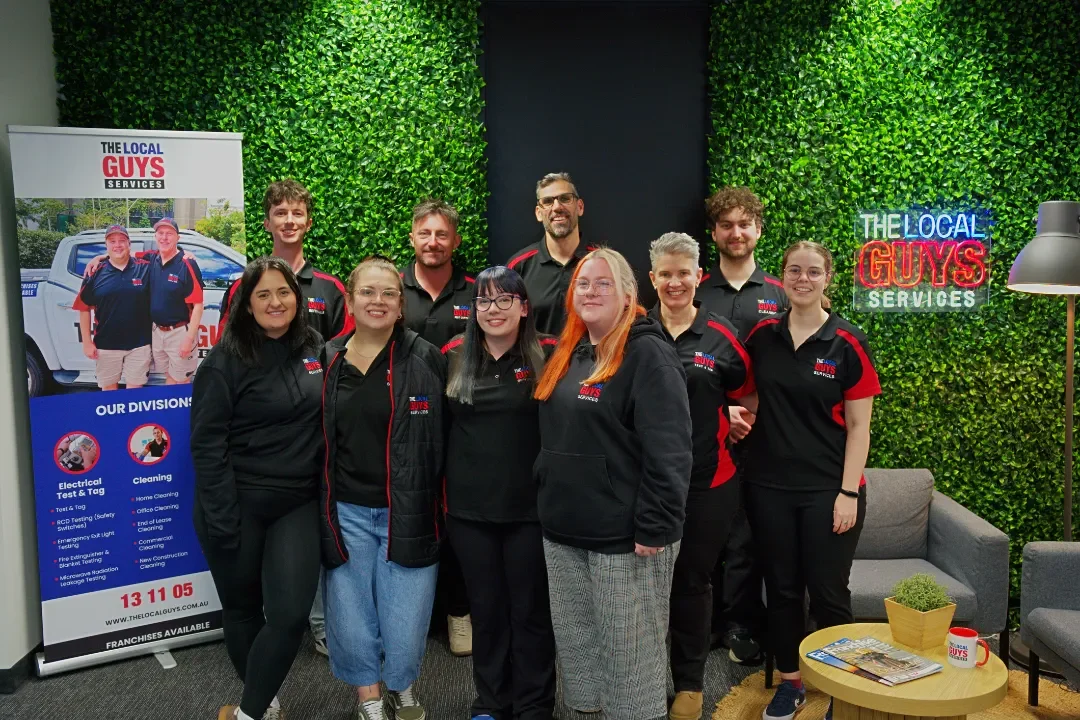
Test and Tag Stuart
- 100% Satisfaction Guarantee
- Competitive Pricing
- Full Report & Certificate of Compliance
- Peace of Mind

Read What Our Customers Have To Say

Test and Tag Stuart For Schools
When was the last time you tested and tagged equipment in your school? Did you know that your liability is higher if accidents happen in school, considering the risks involved with your workers? There are several appliances in schools that need to be tested and tagged. The Local Guys – Test and Tag Stuart has a range of specialist equipment that can be used for testing and tagging electrical appliances in schools.
Appliances That Need To Be Tested and Tagged In Schools
In schools, various electrical appliances and equipment may require testing and tagging to ensure electrical safety. While specific requirements can vary based on local regulations and guidelines, the following are some common examples of appliances and equipment that may need to be tested and tagged in Brisbane schools:
- Computers and laptops
- Printers and photocopiers
- Projectors and interactive whiteboards
- Audiovisual equipment, such as speakers and microphones
- Laboratory equipment, including electrical devices used in science experiments
- Kitchen appliances in school canteens or cooking facilities, such as ovens, microwaves, and toasters
- Power tools used in workshops or maintenance tasks
- Extension cords and power boards
- Portable heaters or fans
- Electrical appliances in staff rooms, such as kettles, coffee machines, and refrigerators
Test and Tag Stuart Intervals For Schools
The testing intervals for electrical appliances and equipment in schools may vary depending on various factors, including local regulations, the type of equipment, and the specific needs of the school. In general, testing and tagging in schools can be done every 1-5 years.
Portable electrical appliances typically require testing and tagging at regular intervals to ensure their ongoing safety. A common recommendation is to conduct testing and tagging annually for most portable appliances used in schools. This includes items such as computers, printers, projectors, audiovisual equipment, kitchen appliances, and power tools.
However, when new electrical equipment is introduced, it is essential to conduct tagging to confirm their safety and compliance. This applies to both portable and fixed equipment. Once the initial testing is completed, the equipment can be integrated into the regular maintenance schedule to ensure ongoing safety and compliance.
The Areas we services in Queensland are:
Brisbane, Gold Coast, Acacia Ridge, Archerfield, Arundel, Bardon, Biggera Waters, Bowen, Brendale, Bribe Island, Browns Plains, Burdekin, Burleigh Heads, Burleigh Waters, Burpengary, Caboolture, Caloundra, Carole Park, Charters Towers, Cleveland, Coolangatta, Coomera, Coopers Plains, Crestmead, Deception Bay, Eight Mile Plains, Enoggera, Forest Lake, Gumdale, Helensvale, Hope Island, Hyde Park, Kawana Waters, Lawnton, Logan, Lota, Mango Hill, Manly, Mansfield, Maroochydore, Mermaid Beach, Miami, Moorooka, Molendinar, Mount Gravatt, Morayfield, Mudgeeraba, Nambour, Narangba, Noosa Heads, Noosa, North Lakes, Ormeau, Oxenford, Palm Beach, Petrie, Pimpama, Port of Brisbane, Redcliffe, Robina, Rocklea, Ross Island, Rothwell, Springwood, Strathpine, Stuart, Surfers Paradise, Sunshine Coast, Sunnybank, Tallai, Tingalpa, Toowoomba, Townsville South, Townsville, Upper Coomera, Varsity Lakes, Wacol, Wakerley, Woodford, Wynnum, Yatala
Request a Quote
Please fill in all the below information and one of our friendly staff will contact you within 2 business hours.
If you're looking for a franchise, click here.
By submitting, you authorise The Local Guys to text, call and email the details you've provided with offers & other
information, possibly using automated means. Consent is not a condition of purchase. Use is subject to terms.
View our Privacy Collection Notice to learn how we manage your personal information collected via this form.

Tips For Managing Electrical Risks For Schools
Managing electrical risks in schools is crucial and can be enhanced through regular workplace safety inspections to protect students, staff, and visitors. Here are some tips to help schools effectively manage electrical risks:
Regular Inspections: Conduct routine inspections of electrical systems, equipment, and appliances as part of an electrical hazard prevention strategy to identify damage, wear, or potential risks.
Check for frayed cords, loose connections, damaged outlets, and faulty switches. Promptly repair or replace any identified issues.
Implement a Testing and Tagging Program: Establish a testing and tagging program to assess the electrical safety of appliances and equipment. Engage qualified professionals to perform regular testing and tagging according to local regulations and standards. Keep track of inspection dates and schedule future tests as needed.
Educate Staff and Students: Provide training and awareness programs to staff and students on electrical safety practices. Teach them about potential hazards, safe usage of electrical devices. As they said, the best power is knowledge. So, when staff and students are knowledgeable about electrical safety practices such as stowing away devices that are not in use to a safe place or unplugging portable equipment before leaving the premises, it adds up to electrical safety in the workplace.
Safety Policies and Procedures: Develop and communicate clear safety policies and procedures regarding electrical equipment use, storage, and maintenance. Emphasise the importance of reporting any electrical hazards or malfunctions promptly to the appropriate authorities.
Emergency Preparedness: Establish emergency procedures for electrical incidents, including fires or electrical shocks. Conduct drills and ensure that staff and students are aware of evacuation routes, emergency contacts, and the use of fire extinguishers or other safety equipment.

Testing and tagging appliances and other electrical equipment in schools is important to maintain electrical compliance and meet safety regulations. By regularly inspecting electrical appliances, you create a culture of safety and awareness for your staff. If you need help, feel free to contact The Local Guys – Test and Tag Stuart.
Ensure the safety of your equipment with professional test and tag from The Local Guys. Call today!
Our Services
Portable Appliance Testing
Portable appliance testing, ensures the safety of movable electrical devices. It involves two steps: visual inspection and electrical testing with a Portable Appliance Tester (PAT). This electronic test determines if the appliance is safe, providing a pass or fail result. It safeguards workplace individuals from electrical hazards like fires and shocks, promoting device longevity.
Safety Switch (RCD) Testing
RCD testing, also known as Residual Current Device testing, verifies the functionality of safety devices in electrical circuits. This involves testing the Residual Current Device (RCD) to ensure it effectively detects and responds to electrical faults, such as leakage currents. RCD testing helps prevent electric shocks and reduces the risk of electrical accidents.
Fire Extinguisher Testing
Fire extinguisher testing ensures the effectiveness of this vital firefighting tool. Merely having a fire extinguisher is insufficient; it must be in proper working condition. A malfunctioning extinguisher during an emergency can escalate a manageable fire into a dangerous situation. Conducted by professionals, testing includes visual inspections and integrity tests, documented in detailed reports.
Emergency Exit Light Testing
Fire Blanket Testing
Microwave Leakage Testing
Contact Us To Test And Tag Your Workplace
Speak to a Real Person Immediately
- Instant, personalised assistance from a friendly voice.
- Tailored recommendations based on your budget and requirements.
- Enjoy the flexibility of customising the scheduling of your electrical safety service.